

NIS2 Guide for manufacturing companies
In a constantly evolving world, it's crucial for manufacturing companies to be aware of the latest regulatory requirements and standards.
One such initiative is NIS2, which stands for Network and Information Security Directive 2.
In this post, we'll dive into what NIS2 is, why manufacturing companies need to consider it, and how they can prepare to meet the requirements.
What is NIS2?
NIS2 is an update of the former Network and Information Security Directive (NIS) and is part of the EU's efforts to strengthen cyber and information protection. NIS2 aims to increase the security and resilience of digital infrastructures and services within the EU. The directive imposes requirements and obligations on selected sectors, including manufacturing companies, to protect their systems against cyber threats.
Why should manufacturing companies consider NIS2?
Manufacturing companies are one of the most important sectors of the economy and play a crucial role in the supply chain.
They rely on advanced digital systems and automated processes that are vulnerable to cyber threats.
A successful cyber attack against a manufacturing company can have catastrophic consequences, including business interruption, loss of production data and financial losses.
NIS2 obliges manufacturing companies to identify and mitigate the risks to their digital infrastructures and to ensure they are able to respond effectively to cyberattacks.
This includes establishing appropriate security measures, implementing contingency plans and reporting serious incidents to the relevant authorities.
How can manufacturing companies prepare for NIS2?
To prepare for NIS2, manufacturing companies should follow steps such as the following:
- Risk assessment: Identify and analyze potential threats and vulnerabilities in your digital infrastructure. This can include a review of network architecture, systems and access rights.
- Implement security measures: Establish appropriate technical and organizational measures to protect digital systems and data, such as firewall and anti-virus solutions, strong access controls and security training for employees.
- Contingency plan: Develop and implement a contingency plan that defines how the organization will respond to cyberattacks or security incidents. It should include procedures for reporting incidents and engaging relevant internal and external stakeholders.
- Compliance monitoring: Ensure regular monitoring and reporting of compliance with NIS2 requirements such as reviewing security policies, performing risk assessments and updating contingency plans.
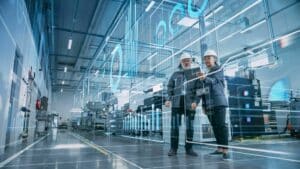
How can companies optimize cybersecurity at the IoT device level?
At the IoT device level in manufacturing companies, NIS2 plays a crucial role in ensuring the cybersecurity of connected devices and systems:
- Security requirements for IoT devices: NIS2 requires IoT device manufacturers to ensure that their products are designed and implemented with a high level of cybersecurity. This includes both hardware and software aspects of the devices and requires security standards and protocols to be implemented to protect against potential attacks.
- Data transfer protection: NIS2 requires IoT devices in manufacturing companies to have secure communication protocols and encryption mechanisms to protect data transfers. This is essential to prevent unauthorized access to data and protect company trade secrets and confidential information.
- Implementing security updates: NIS2 calls for IoT device manufacturers to provide regular security updates to address newly discovered vulnerabilities and threats. Manufacturing companies must be aware of these updates and implement them in a timely manner to maintain robust security on their IoT devices.
- IoT device monitoring: NIS2 requires manufacturing companies to implement continuous monitoring and control of their IoT devices to identify abnormal activities or attempted attacks. This may include implementing intrusion detection systems (IDS) and regular log analysis to identify potential security breaches.
- Strengthening supplier management: NIS2 encourages manufacturing companies to have clear guidelines and requirements for their IoT device suppliers, e.g. that suppliers follow cybersecurity best practices and adhere to security standards to minimize the risk of supply chain vulnerabilities.
By focusing on cybersecurity at the IoT device level, manufacturing companies can minimize the risk of cyberattacks and protect both their own production environment and the data transferred between devices.
NIS2 encourages manufacturing companies to take a proactive approach to cybersecurity and ensure their IoT devices are secure and reliable in a digitally connected manufacturing enterprise.

Separate your company's systems
Separating production systems from administrative and other systems within the company is an important and effective security measure within the production environment. This separation can help minimize the risk of unauthorized access and potential attacks against critical production processes.
Here are some points to consider when separating systems:
- Network segmentation: The production environment should be divided into separate network segments, isolating production systems from administrative and other internal networks. This means establishing separate networks for production equipment and systems that are not directly connected to the other networks in the company.
- Physical separation: Physical separation of production systems and administrative systems involves placing them in separate physical locations or separate zones within the same facility. This can be done by using physically separate server rooms or, if possible, separate buildings. Separation reduces the risk of an attack against administrative systems spreading to production systems.
- Access control and authentication: Implementing strict access control and authentication is essential to ensure that only authorized individuals have access to the various systems. This can include the use of unique user identities, strong passwords, two-factor authentication and role-based access control.
- Segmented data processing: Production data should be processed and stored separately from administrative data. This helps ensure that access to production systems does not automatically give access to confidential administrative information. Segmentation of data processing also helps protect sensitive production data from unauthorized intrusion.
- Security monitoring and logging: Implementing security monitoring and logging of both production and administrative systems is essential to identify and respond to any security incidents. Monitoring network traffic, system logs and using intrusion detection systems (IDS) can help detect and respond quickly to potential threats.
Separating production systems from administrative and other systems within the organization reduces the risk of an attack against administrative systems impacting critical production processes. This separation provides an extra layer of protection and can help ensure that the production environment remains secure and reliable, even in the event of a security incident.

The importance of NIS2 on a global level
NIS2 plays a crucial role in protecting digital infrastructure and services across the EU. It helps build a more secure and trustworthy digital economy where businesses and consumers can have confidence to engage in digital transactions and exchange data. The importance of NIS2 extends beyond individual companies and contributes to strengthening the EU's overall cyber resilience.
Manufacturing companies should already be taking NIS2 seriously and preparing to meet its requirements. By conducting risk assessments, implementing security measures and developing contingency plans, companies can reduce vulnerabilities to cyber threats and strengthen their digital security.
If you would like to read more about the EU directive, here is a link to The European Commission's website here.
See also our General information about what NIS2 is.
And our previous post on how you can builds safety barriers in industrial systems here.
If you need help, then Please contact Poul or Søren here..