
Remote connection
Industrial IT & IIoT / Network monitoring software / Remote connection
Remote connectivity ensures controlled access to industrial control systems such as PLCs, SCADA servers and network devices at remote sites. By combining VPN tunnelling, secure gateways and authentication, access restriction, audit logging and critical infrastructure protection are enabled without exposing the network to vulnerabilities.
The network is typically divided into zones using DMZ and the Purdue model to protect OT systems from threats from the overall IT network.
Areas of application
Technicians can connect securely via VPN and access controllers, PLCs or HMIs to troubleshoot, update or configure - without being physically present.
Using secure network connections, remote sites can be centrally monitored and managed. The systems often support multiple communication channels so that connectivity can be maintained even in the event of a network outage - for example automatic switching between landline and mobile networks.
Remote access can be protected with role-based access control, access filtering (whitelisting), time restriction and user activity logging, which reduces the risk of unauthorised access and strengthens network traceability.
Technical construction and safety
Remote connectivity is supported by protocols such as IPsec, OpenVPN and GRE, used through a security gateway or router with built-in encryption, firewall and logging.
The structure follows:
Perimeter segmentation
IT networks, DMZ and OT zones are separated via firewalls and DMZ intermediate networks
Purdue layering
Network level compliance ensures controlled access and isolation of critical equipment
Audit and logging
Firewall and VPN logs provide traceability of access attempts, sessions and changes

See a selection of our remote connectivity software here
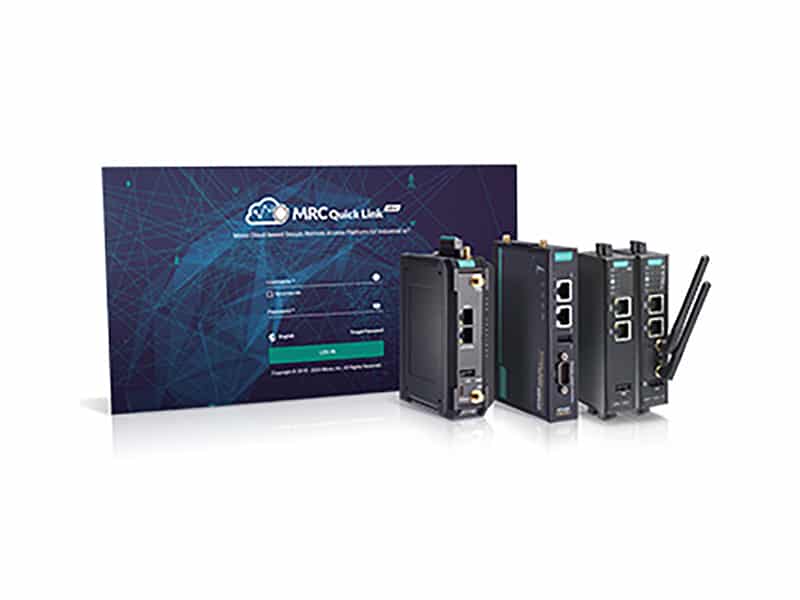
MOXA MRC LICENCE
Benefits:
- No monthly fees
- No hidden costs
- You pay once - and own your licence forever
- Buy once. Always use.
- Item no.: 54448
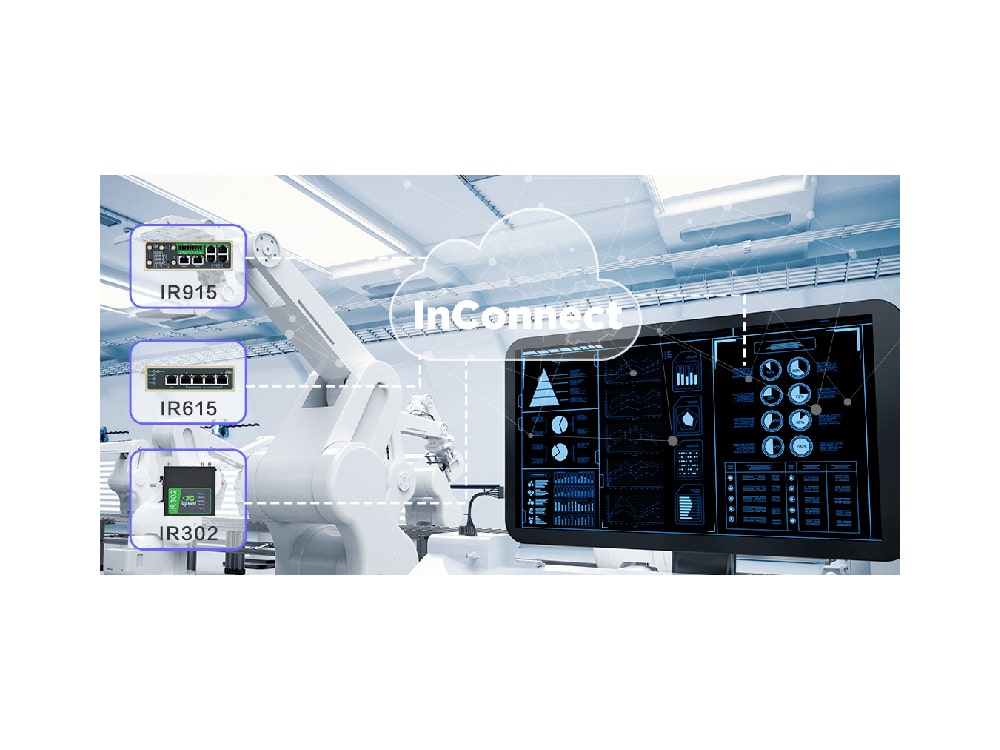
InConnect Remote Access - secure and easy-to-use remote connection, Inhand
Benefits:
- Plug & play service - requires no changes to the local network and is easy to deploy
- Centralised and secure cloud management with advanced encryption and access control
- Supports remote connection to many types of Ethernet devices such as PLC, HMI, cameras and IPCs
- Scalable solution - can be expanded without network remodelling as demand grows
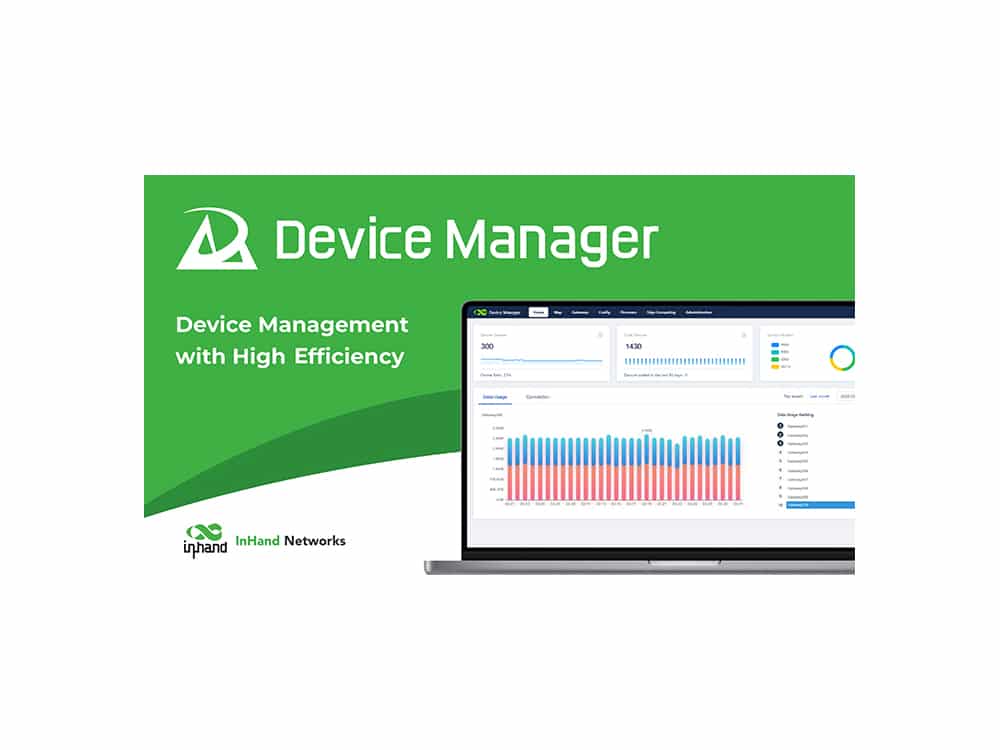
Device Manager - cloud-based device management, Inhand
Benefits:
- Centralised management and batch maintenance of devices in one place
- Monitor running status in real-time and optimise operational efficiency
- Firmware and configuration updates for many devices in just a few clicks
- Advanced access control and secure data transfer
- GPS-based device localisation and equipment classification