Scada
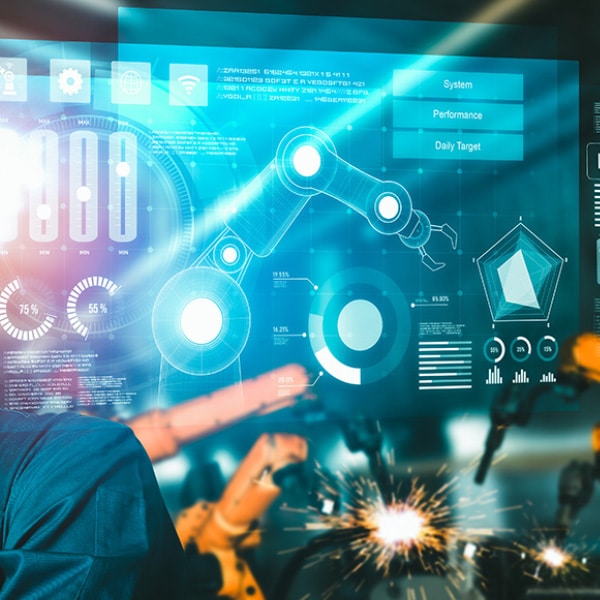
SCADA (Supervisory Control and Data Acquisition) is a centralised software platform used to collect data from sensors and I/O devices, visualise processes in real-time, and allow for remote control.
The system is widely used in manufacturing plants, energy and water infrastructure, HVAC, traffic management and other critical OT environments. Modern SCADA systems are often extended with IIoT features such as edge data buffering, subscription-based updates (publish/subscribe) and cloud integration (e.g. MQTT, OPC UA).
When is remote connectivity relevant?
Operators use SCADA to monitor critical parameters (pressure, temperature, flow), receive alerts for deviations and analyse historical trends to optimise operations.
Via dashboard and HMI, you can change parameters, perform preparation or stop/start operations - even in remote locations.
SCADA systems collect tagged data from PLCs and RTUs (often over Modbus, OPC UA or IEC 61850) and send it to control rooms, cloud platforms or analytical solutions.
For large networks with many serial processing units, agent-mode gateways are used to reduce query intervals, improve performance and minimise network load.
Benefits in OT environments
Real-time monitoring
SCADA creates overview in control rooms with live data and status
Alarm management with history
It is possible to define alarm limits, trigger notifications and lead failure analysis based on time series
Remote management and flexibility
Operation can be done remotely through secure communication channels
Greater network scaling
IIoT features like edge buffering and cloud integration make SCADA future-proof and scalable